






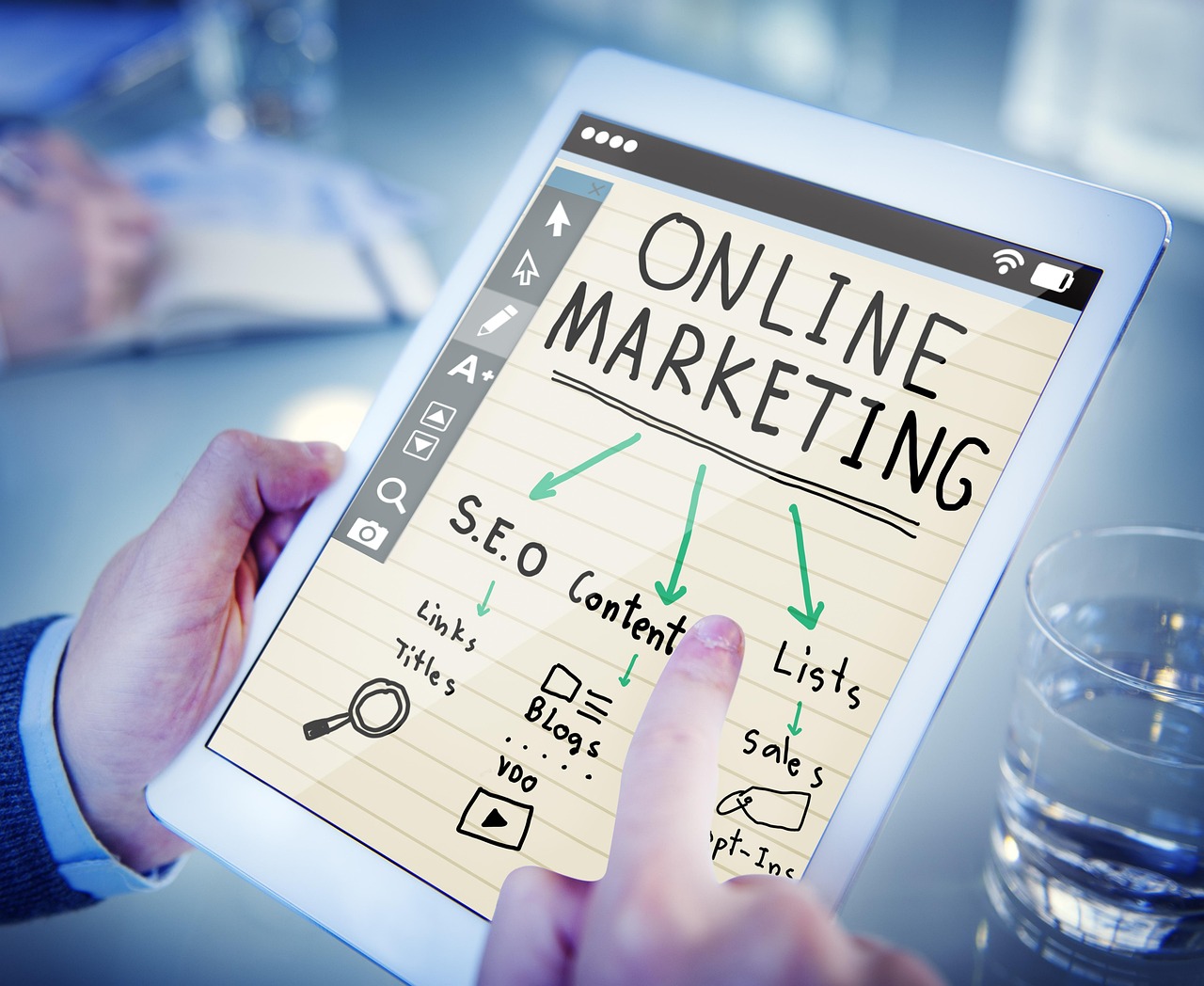
Attracting visitors to your website is crucial for business success. More website traffic means more opportunities to convert visitors into customers, increase brand awareness, and ultimately grow your revenue. But simply having a website isn’t enough. You need a solid strategy to drive targeted traffic and keep visitors engaged. This guide will explore proven techniques to boost your website traffic, covering everything from SEO best practices to content marketing and social media strategies.
Understanding Website Traffic
What is Website Traffic?
Website traffic refers to the number of visitors who access a website. It’s a critical metric for measuring the performance of your online presence. Analyzing traffic data provides insights into user behavior, popular content, and the effectiveness of your marketing efforts.
Types of Website Traffic:
Understanding the different sources of website traffic is essential for tailoring your marketing strategies. Here are the main categories:
- Organic Traffic: Visitors who find your site through search engine results pages (SERPs) like Google, Bing, or DuckDuckGo. This is generally considered the most valuable type of traffic, as it indicates a user is actively searching for what you offer.
- Direct Traffic: Visitors who directly type your website URL into their browser or access it via a bookmark. This often indicates strong brand awareness.
- Referral Traffic: Visitors who arrive on your site from another website, typically through a link. This can include traffic from partner websites, blogs, directories, or online reviews.
- Social Traffic: Visitors who click on links to your website shared on social media platforms like Facebook, Twitter, Instagram, or LinkedIn.
- Paid Traffic: Visitors who click on paid advertisements, such as Google Ads, social media ads, or display ads.
- Email Traffic: Visitors who click on links within email marketing campaigns.
Example: Imagine a user searching for “best coffee beans online.” If your website ranks high for that keyword and they click on your listing, that’s organic traffic. If they already know your website name, “CoffeeDelights.com,” and type it directly into their browser, that’s direct traffic.
Search Engine Optimization (SEO)
Keyword Research
Keyword research is the foundation of a successful SEO strategy. It involves identifying the terms and phrases your target audience uses when searching for information related to your business.
- Use Keyword Research Tools: Tools like Google Keyword Planner, SEMrush, Ahrefs, and Moz Keyword Explorer can help you discover relevant keywords, analyze their search volume, and assess their competition.
- Focus on Long-Tail Keywords: Long-tail keywords are longer, more specific phrases that typically have lower search volume but higher conversion rates. For example, instead of “coffee,” target “best fair-trade organic coffee beans.”
- Analyze Competitor Keywords: Identify the keywords your competitors are ranking for and consider targeting similar or related terms.
On-Page Optimization
On-page optimization involves optimizing the elements within your website to improve its ranking in search results.
- Optimize Title Tags and Meta Descriptions: These are crucial for attracting clicks from search results. Use relevant keywords and write compelling descriptions. Example: Title Tag: “Buy Fair Trade Organic Coffee Beans | CoffeeDelights” Meta Description: “Shop the best selection of fair-trade organic coffee beans online at CoffeeDelights. Freshly roasted and ethically sourced.”
- Use Header Tags (H1-H6): Use header tags to structure your content and highlight important topics. Use H1 for the main title, and H2-H6 for subheadings.
- Optimize Images: Use descriptive alt text for images to improve accessibility and help search engines understand the content of the images.
- Create High-Quality Content: Produce valuable, informative, and engaging content that satisfies user intent. Google prioritizes websites that offer helpful and comprehensive information.
- Ensure Mobile-Friendliness: With a significant portion of web traffic coming from mobile devices, ensure your website is responsive and provides a seamless user experience on all devices.
Off-Page Optimization
Off-page optimization involves building your website’s authority and reputation through external factors, primarily backlinks.
- Build High-Quality Backlinks: Earn backlinks from reputable websites in your industry. This signals to search engines that your website is a valuable resource.
- Guest Blogging: Write guest posts for other websites in your niche, including links back to your website.
- Social Media Marketing: Promote your content on social media platforms to increase brand awareness and drive traffic.
- Online Directories: List your website in relevant online directories and business listings.
Example: Securing a backlink from a well-respected coffee industry blog to your CoffeeDelights website would significantly boost your website’s authority and search engine rankings.
Content Marketing
Creating Valuable Content
Content marketing focuses on creating and distributing valuable, relevant, and consistent content to attract and engage a target audience.
- Blog Posts: Regularly publish informative and engaging blog posts on topics related to your industry. Examples: “The Ultimate Guide to Brewing the Perfect Cup of Coffee,” “The Benefits of Organic Coffee,” “Coffee Bean Origins: A Deep Dive.”
- Ebooks and Whitepapers: Offer in-depth guides and reports that provide valuable insights to your audience.
- Infographics: Create visually appealing infographics that present data and information in an easily digestible format.
- Videos: Produce engaging videos that showcase your products, services, or expertise. Tutorials, product demos, and customer testimonials can be highly effective.
- Case Studies: Share real-world examples of how your products or services have helped customers solve problems.
Content Promotion
Creating great content is only half the battle. You also need to actively promote your content to reach a wider audience.
- Social Media Sharing: Share your content on all relevant social media platforms.
- Email Marketing: Send email newsletters to your subscribers with links to your latest content.
- Guest Posting: Republish or adapt your content for other websites in your niche.
- Content Repurposing: Transform your content into different formats, such as turning a blog post into an infographic or a video.
- Paid Advertising: Use paid advertising to promote your content to a targeted audience.
Example: After writing a blog post about “Coffee Brewing Methods,” CoffeeDelights could create a short video demonstrating each method and share it on YouTube and social media, linking back to the original blog post. This repurposing increases reach and engagement.
Social Media Marketing
Building a Social Media Presence
Social media marketing involves using social media platforms to build brand awareness, engage with your audience, and drive traffic to your website.
- Choose the Right Platforms: Focus on the social media platforms where your target audience spends their time. For CoffeeDelights, this might include Instagram (for visual coffee content), Facebook (for community building), and LinkedIn (for business partnerships).
- Create Engaging Content: Share a variety of content, including images, videos, articles, and updates.
- Engage with Your Audience: Respond to comments, answer questions, and participate in relevant conversations.
- Run Contests and Giveaways: Encourage engagement and drive traffic by hosting contests and giveaways.
- Use Social Media Advertising: Utilize social media advertising to reach a wider audience and promote your products or services.
Driving Traffic from Social Media
The goal is to convert social media engagement into website traffic.
- Include Links in Your Posts: Always include links back to your website in your social media posts.
- Use Call-to-Actions: Encourage users to visit your website with clear calls-to-action, such as “Learn More,” “Shop Now,” or “Read the Full Article.”
- Optimize Your Profile: Include a link to your website in your social media profile bio.
- Use Hashtags: Use relevant hashtags to increase the visibility of your posts.
- Run Targeted Ads: Use social media advertising to target specific demographics and interests.
Example: CoffeeDelights could post a photo of a delicious latte art on Instagram with the caption: “Start your day with the perfect latte! Learn how to create amazing latte art at home with our guide. Link in bio! #LatteArt #CoffeeLover #CoffeeDelights”
Paid Advertising
Pay-Per-Click (PPC) Advertising
Pay-per-click (PPC) advertising involves paying for ads that appear on search engine results pages (SERPs) and other websites. Google Ads is the most popular PPC platform.
- Keyword Targeting: Target relevant keywords that your target audience is searching for.
- Ad Copy Optimization: Write compelling ad copy that attracts clicks.
- Landing Page Optimization: Ensure your landing pages are relevant to your ads and optimized for conversions.
- Budget Management: Set a budget and monitor your campaigns to ensure you’re getting a good return on investment.
- A/B Testing: Test different ad variations to optimize your campaigns for performance.
Social Media Advertising
Social media advertising allows you to target specific demographics, interests, and behaviors on social media platforms.
- Target Audience Selection: Define your target audience based on demographics, interests, and behaviors.
- Ad Creative Design: Create visually appealing and engaging ad creatives.
- Campaign Optimization: Monitor your campaigns and make adjustments to improve performance.
- Retargeting: Retarget users who have previously visited your website or interacted with your social media profiles.
Example: CoffeeDelights could run a Google Ads campaign targeting users searching for “buy coffee beans online” or a Facebook ad campaign targeting coffee lovers in a specific geographic area.
Website Analytics and Monitoring
Tracking Website Traffic
Monitoring your website traffic is crucial for understanding the effectiveness of your marketing efforts.
- Use Google Analytics: Google Analytics is a free tool that provides detailed insights into your website traffic, including the number of visitors, bounce rate, session duration, and traffic sources.
- Set Up Goals and Conversions: Track important metrics, such as form submissions, product purchases, and email sign-ups.
- Monitor Key Metrics: Regularly monitor key metrics to identify trends and areas for improvement.
Analyzing Data and Making Adjustments
The data you collect from website analytics can inform your marketing strategies and help you optimize your website for better performance.
- Identify High-Performing Content: Analyze which content is generating the most traffic and engagement, and create more similar content.
- Identify Traffic Sources: Understand where your traffic is coming from and focus on optimizing those channels.
- Improve User Experience: Identify areas where users are dropping off or experiencing difficulties and make improvements to your website’s design and functionality.
- A/B Test Different Strategies: Experiment with different marketing strategies and track the results to determine what works best.
Example: If Google Analytics shows that a particular blog post about “Cold Brew Coffee” is generating a significant amount of organic traffic, CoffeeDelights could create more content related to cold brew coffee and optimize the existing post for even better search engine rankings.
Conclusion
Driving traffic to your website requires a multifaceted approach that includes SEO, content marketing, social media marketing, and paid advertising. By understanding the different types of traffic, implementing proven strategies, and continuously monitoring your results, you can significantly increase your website traffic and achieve your business goals. Remember to focus on providing value to your audience, creating engaging content, and optimizing your website for search engines and user experience. The key is to test, analyze, and adapt your strategies based on data to ensure continuous improvement and long-term success.











Leave a comment