






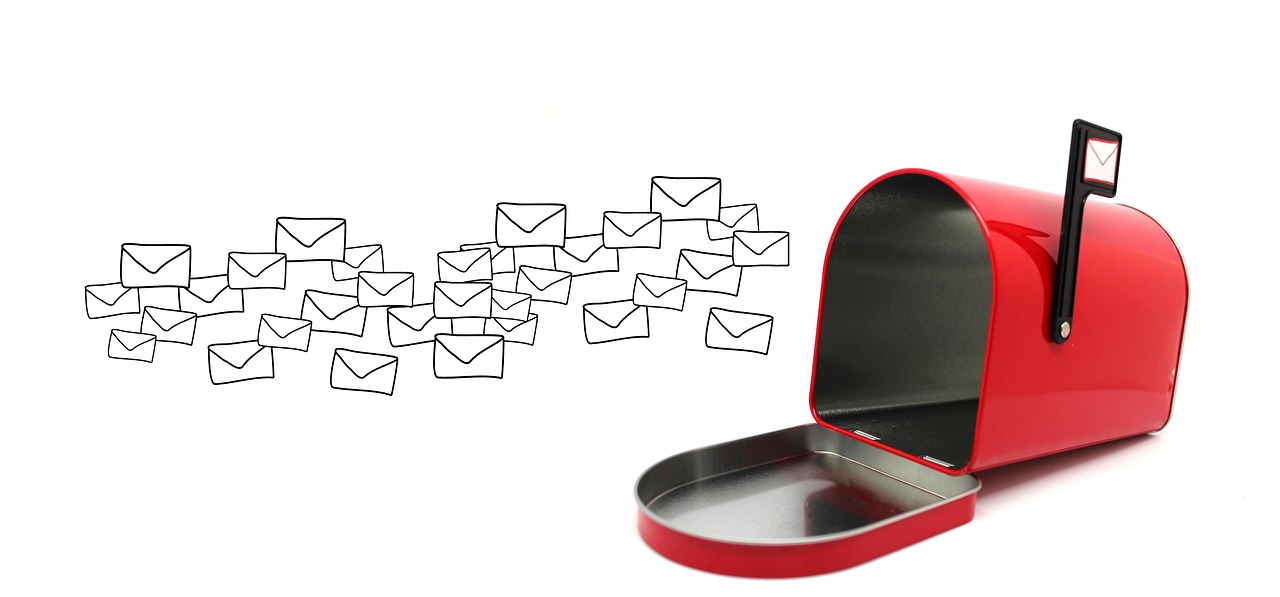
Email marketing: it’s not just about sending out newsletters anymore. In today’s digital landscape, a well-crafted email marketing strategy is a powerhouse for connecting with your audience, nurturing leads, and driving sales. But with inboxes overflowing and attention spans dwindling, how do you cut through the noise and create email campaigns that truly resonate? This comprehensive guide will provide you with the knowledge and tools you need to develop a successful email marketing strategy that delivers results.
Understanding the Power of Email Marketing
Email marketing remains a vital component of digital marketing despite the rise of social media and other channels. Its direct and personalized nature allows businesses to forge strong relationships with their customers.
Benefits of Email Marketing
- Cost-Effective: Compared to traditional advertising methods, email marketing offers a high ROI. You can reach a large audience at a fraction of the cost.
- Targeted Communication: Segment your audience based on demographics, behavior, or interests to deliver highly relevant messages.
Example: Sending a promotional email about winter coats specifically to customers in colder regions.
- Measurable Results: Track key metrics like open rates, click-through rates, and conversions to optimize your campaigns.
- Personalization: Tailor your email content to individual subscribers, enhancing engagement and building loyalty.
Example: Using merge tags to include the subscriber’s name in the email subject line and body.
- Automated Campaigns: Set up automated email sequences to nurture leads, onboard new customers, or re-engage inactive subscribers.
Example: A welcome email series for new subscribers, providing valuable information about your brand and products.
Email Marketing Statistics to Consider
- Email marketing has an average ROI of $42 for every $1 spent (DMA, 2019).
- 80% of business professionals believe that email marketing drives customer acquisition and retention (HubSpot, 2020).
- Personalized emails deliver 6x higher transaction rates (Experian).
Building Your Email List
A robust and engaged email list is the foundation of successful email marketing. Building it organically ensures you’re reaching an audience genuinely interested in your brand.
Strategies for Growing Your Email List
- Offer Valuable Incentives: Provide exclusive discounts, free ebooks, or early access to products in exchange for email sign-ups.
Example: A website offering a 10% discount on the first order for new subscribers.
- Create Compelling Opt-in Forms: Design attractive and user-friendly sign-up forms on your website and social media pages.
Tip: Keep the form simple, asking only for essential information like name and email address.
- Run Contests and Giveaways: Host contests or giveaways that require email sign-ups to participate.
- Promote Your Newsletter: Clearly communicate the benefits of subscribing to your email list on your website and social media.
Example: Highlight exclusive content, industry insights, or special offers that subscribers will receive.
- Use Lead Magnets: Offer a valuable resource, such as a checklist, template, or guide, in exchange for an email address.
- Always Get Explicit Consent: Ensure subscribers actively opt-in to your email list to comply with GDPR and other privacy regulations. This helps maintain deliverability and trust.
Crafting Engaging Email Content
The content of your emails is crucial for capturing your audience’s attention and driving the desired actions.
Key Elements of Effective Email Content
- Compelling Subject Lines: Create subject lines that are attention-grabbing, relevant, and concise.
Example: “Limited-Time Offer: 50% Off All Shoes” or “Exclusive Sneak Peek: New Product Launch”.
- Personalized Messaging: Tailor your email content to individual subscribers based on their preferences, purchase history, or demographic information.
- Clear and Concise Copy: Write in a clear, concise, and engaging style, focusing on the benefits for the reader.
- Visually Appealing Design: Use a clean and professional email design that is consistent with your brand.
- Strong Call-to-Action (CTA): Include clear and compelling CTAs that guide subscribers to take the desired action, such as “Shop Now,” “Learn More,” or “Download Free Guide.”
- Mobile Optimization: Ensure your emails are optimized for viewing on mobile devices, as a significant portion of email is opened on smartphones.
Types of Email Content to Consider
- Welcome Emails: Introduce new subscribers to your brand and provide valuable information.
- Promotional Emails: Highlight special offers, discounts, and new products.
- Newsletter Emails: Share industry news, blog posts, and company updates.
- Transactional Emails: Confirm orders, provide shipping updates, and reset passwords.
- Re-Engagement Emails: Reconnect with inactive subscribers and encourage them to re-engage with your brand.
Email Marketing Automation and Segmentation
Automation and segmentation are powerful tools for delivering the right message to the right audience at the right time.
Setting Up Automated Email Sequences
- Welcome Series: A sequence of emails designed to onboard new subscribers and introduce them to your brand.
Example: A series of 3-5 emails sent over the course of a week, providing valuable information about your products, services, and brand values.
- Abandoned Cart Emails: Remind customers about items left in their shopping carts and encourage them to complete their purchase.
Tip: Offer a small discount or free shipping to incentivize the purchase.
- Birthday Emails: Send personalized birthday greetings with special offers or discounts.
- Post-Purchase Emails: Thank customers for their purchase and provide information about product usage, care, and related products.
Segmenting Your Email List
- Demographic Segmentation: Segment your list based on age, gender, location, or income.
- Behavioral Segmentation: Segment your list based on their past purchases, website activity, or email engagement.
Example: Segmenting subscribers who have opened a specific email or clicked on a particular link.
- Interest-Based Segmentation: Segment your list based on their expressed interests or preferences.
Measuring and Analyzing Email Marketing Performance
Tracking and analyzing your email marketing performance is essential for optimizing your campaigns and achieving your goals.
Key Email Marketing Metrics to Track
- Open Rate: The percentage of subscribers who opened your email.
- Click-Through Rate (CTR): The percentage of subscribers who clicked on a link in your email.
- Conversion Rate: The percentage of subscribers who completed a desired action, such as making a purchase or filling out a form.
- Bounce Rate: The percentage of emails that could not be delivered to the recipient’s inbox.
- Unsubscribe Rate: The percentage of subscribers who opted out of your email list.
- Return on Investment (ROI): The overall profitability of your email marketing campaigns.
Tools for Analyzing Email Marketing Performance
- Email Marketing Platform Analytics: Utilize the built-in analytics tools provided by your email marketing platform to track key metrics.
- Google Analytics: Integrate Google Analytics with your email marketing platform to track website traffic and conversions generated by your email campaigns.
- A/B Testing: Use A/B testing to experiment with different subject lines, email content, and CTAs to identify what works best for your audience.
Conclusion
Email marketing, when done right, is a powerful tool that can drive significant results for your business. By understanding the core principles, implementing effective strategies, and continuously analyzing your performance, you can unlock the full potential of email marketing to connect with your audience, build lasting relationships, and achieve your business objectives. Take the actionable takeaways from each section and start refining your email marketing strategy today!










Leave a comment