




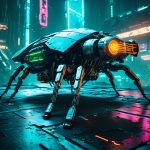


The future is coming, and it’s bringing a wave of technological advancements poised to reshape our lives in profound ways. From the mundane to the monumental, future tech promises to solve existing problems, unlock new possibilities, and redefine what it means to be human. But what exactly is on the horizon? Buckle up as we explore some of the most exciting and transformative future technologies poised to impact everything from how we work and live to how we understand the universe.
Artificial Intelligence and Machine Learning: The Thinking Machines
Artificial intelligence (AI) and machine learning (ML) are no longer futuristic concepts; they’re rapidly becoming integral parts of our daily lives. Their continued evolution promises even more dramatic transformations.
AI in Healthcare
- Personalized Medicine: AI can analyze vast amounts of patient data (genetics, lifestyle, medical history) to develop tailored treatment plans, improving outcomes and reducing side effects. Imagine AI predicting your risk for certain diseases years in advance, enabling preventative measures.
- Drug Discovery: AI accelerates the drug discovery process by identifying potential drug candidates and predicting their effectiveness, significantly reducing the time and cost involved.
- Robotic Surgery: AI-powered robots offer enhanced precision and control during surgical procedures, leading to faster recovery times and reduced complications.
AI in Transportation
- Autonomous Vehicles: Self-driving cars, trucks, and even drones are poised to revolutionize transportation, reducing accidents, improving traffic flow, and providing mobility for those who cannot drive. Think of the impact on logistics and delivery services.
- Smart Traffic Management: AI can optimize traffic flow in real-time by analyzing data from sensors and cameras, reducing congestion and improving fuel efficiency.
- Public Transportation Optimization: AI can predict ridership patterns and optimize routes and schedules for buses and trains, improving efficiency and passenger satisfaction.
AI in Business
- Automation: AI-powered automation can streamline repetitive tasks, freeing up human employees to focus on more creative and strategic work.
- Customer Service: AI-powered chatbots provide instant customer support 24/7, improving customer satisfaction and reducing operational costs.
- Data Analysis: AI can analyze vast amounts of data to identify trends, patterns, and insights, helping businesses make better decisions. For example, AI can analyze social media sentiment to understand customer perceptions of a new product.
The Metaverse and Extended Reality: Blurring the Lines of Reality
The metaverse and extended reality (XR) technologies, including virtual reality (VR), augmented reality (AR), and mixed reality (MR), are creating immersive and interactive digital experiences.
VR for Entertainment and Gaming
- Immersive Gaming: VR gaming provides a completely immersive and engaging experience, allowing players to step inside their favorite games. Consider the potential for realistic simulations and training applications.
- Virtual Tourism: VR enables users to explore faraway places and experience different cultures from the comfort of their homes.
- Live Events: VR concerts and sporting events offer a unique and immersive way to experience live performances.
AR for Practical Applications
- Retail: AR apps allow customers to virtually try on clothes, visualize furniture in their homes, and access product information in real-time.
- Education: AR can bring learning to life by overlaying interactive 3D models and simulations onto the real world. For example, students could dissect a virtual frog without harming a real animal.
- Maintenance and Repair: AR glasses can provide technicians with step-by-step instructions and real-time data overlays, making it easier to perform complex tasks.
The Metaverse: A Persistent Virtual World
- Social Interaction: The metaverse enables users to connect with others in a virtual environment, attend virtual events, and participate in virtual communities.
- E-commerce: The metaverse offers new opportunities for businesses to sell virtual goods and services, create immersive shopping experiences, and engage with customers in new ways.
- Work: Virtual workspaces in the metaverse can allow remote teams to collaborate and interact more effectively.
Biotechnology and Genetic Engineering: Engineering Life Itself
Biotechnology and genetic engineering are rapidly advancing, offering the potential to cure diseases, enhance human capabilities, and create new forms of life.
Gene Editing with CRISPR
- Curing Genetic Diseases: CRISPR technology allows scientists to precisely edit genes, potentially curing genetic diseases like cystic fibrosis and sickle cell anemia.
- Enhancing Crop Yields: CRISPR can be used to develop crops that are more resistant to pests, diseases, and drought, improving food security.
- Developing New Therapies: CRISPR can be used to develop new therapies for cancer and other diseases by targeting and destroying cancerous cells.
Personalized Medicine through Genomics
- Targeted Therapies: Genomics allows doctors to identify the specific genetic mutations that are driving a patient’s cancer, enabling them to select the most effective targeted therapies.
- Predictive Medicine: Genomics can be used to predict a person’s risk for certain diseases, allowing them to take preventative measures.
- Pharmacogenomics: Genomics can be used to predict how a person will respond to certain medications, helping doctors to choose the right drug and dosage.
Synthetic Biology: Creating New Life Forms
- Biofuels: Synthetic biology can be used to create microorganisms that produce biofuels, reducing our reliance on fossil fuels.
- Bioplastics: Synthetic biology can be used to create biodegradable plastics from renewable resources, reducing plastic pollution.
- New Materials: Synthetic biology can be used to create new materials with unique properties, such as self-healing materials and bioluminescent materials.
Quantum Computing: Unleashing Unprecedented Processing Power
Quantum computing harnesses the principles of quantum mechanics to perform calculations far beyond the capabilities of classical computers. This unlocks potential breakthroughs in various fields.
Drug Discovery and Materials Science
- Molecular Simulation: Quantum computers can simulate the behavior of molecules and materials with unprecedented accuracy, accelerating the discovery of new drugs and materials. Think of designing novel catalysts for industrial processes or creating more efficient solar cells.
- Protein Folding: Quantum computers can help scientists understand how proteins fold, which is crucial for understanding and treating diseases like Alzheimer’s and Parkinson’s.
Optimization Problems
- Logistics and Supply Chain Management: Quantum computers can optimize complex logistics and supply chain operations, reducing costs and improving efficiency.
- Financial Modeling: Quantum computers can be used to develop more accurate financial models, helping investors make better decisions.
- Traffic Optimization: Quantum computers can be used to optimize traffic flow in real-time, reducing congestion and improving fuel efficiency.
Cryptography and Security
- Breaking Existing Encryption: Quantum computers pose a threat to current encryption methods, as they can potentially break them. This has spurred research into post-quantum cryptography.
- Quantum-Resistant Encryption: Scientists are developing new encryption methods that are resistant to attacks from quantum computers, ensuring data security in the quantum era.
- Quantum Key Distribution: Quantum key distribution uses the principles of quantum mechanics to securely distribute encryption keys, ensuring that they cannot be intercepted.
Sustainable Technologies: Building a Greener Future
As the world faces increasing environmental challenges, sustainable technologies are becoming increasingly important. These technologies aim to reduce our environmental impact and create a more sustainable future.
Renewable Energy Sources
- Advanced Solar Panels: Next-generation solar panels are more efficient, durable, and affordable, making solar energy more accessible and competitive.
- Wind Energy Storage: Innovations in wind energy storage, such as batteries and pumped hydro, are enabling more reliable and dispatchable wind power.
- Geothermal Energy: Enhanced geothermal systems (EGS) are tapping into vast untapped geothermal resources, providing a clean and reliable source of energy.
Carbon Capture and Storage
- Direct Air Capture: Direct air capture technologies remove carbon dioxide directly from the atmosphere, helping to mitigate climate change.
- Carbon Sequestration: Carbon sequestration involves storing captured carbon dioxide underground or in other forms, preventing it from entering the atmosphere.
- Carbon Utilization: Carbon utilization involves converting captured carbon dioxide into useful products, such as fuels, chemicals, and building materials.
Sustainable Agriculture
- Vertical Farming: Vertical farms grow crops indoors in stacked layers, using controlled environments and hydroponics or aeroponics, maximizing yields and minimizing land use.
- Precision Agriculture: Precision agriculture uses sensors, data analytics, and automation to optimize irrigation, fertilization, and pest control, reducing resource consumption and improving crop yields.
- Plant-Based Meat Alternatives: Plant-based meat alternatives are becoming increasingly popular, offering a more sustainable and ethical alternative to traditional meat production.
Conclusion
The future of technology is bright and full of possibilities. While some of these technologies are still in their early stages of development, they hold the potential to transform our lives in profound ways. By embracing these innovations and addressing the challenges they present, we can create a more sustainable, equitable, and prosperous future for all. The key is to approach these advancements with a critical eye, considering their ethical implications and ensuring that they are used for the benefit of humanity. The future is not something that happens to us; it’s something we create.












Leave a comment